





For most of football’s history, clubs were judged almost entirely on what happened on the pitch. Winning trophies, signing talented players, and attracting supporters to the stadium were the primary measures of success. Communication with fans was relatively straightforward. Local newspapers covered the team, supporters attended matches, and club updates were limited to programmes, magazines, and occasional television appearances.
Today, that model has changed dramatically.
Modern football clubs are no longer just sporting organisations; they’re media brands, content creators, entertainment companies, and global businesses. While matchday remains at the heart of the sport, clubs now compete for attention every day of the year through digital content, social media, streaming platforms, merchandise launches, and fan engagement initiatives.
The transformation has reshaped how supporters interact with their clubs and how football organisations build loyalty beyond the ninety minutes played on the pitch.
Football clubs now operate year-round
In previous decades, football coverage largely revolved around fixtures; fans would consume content before and after matches, but engagement often dropped significantly during the off-season.
Digital media has changed that dynamic. Today, clubs maintain a constant presence through official websites, social channels, mobile apps, podcasts, and video platforms. A supporter can consume club-related content every day, whether it’s training-ground footage, player interviews, behind-the-scenes documentaries, transfer updates, or community initiatives.
For clubs, this continuous engagement helps maintain relevance in an increasingly crowded entertainment landscape. Rather than relying solely on match results, they create ongoing relationships with supporters through regular content and storytelling. This shift has effectively turned football clubs into always-on media businesses.
Social media changed everything
The rise of social media has arguably had the biggest impact on football’s evolution into a media industry. Platforms such as Instagram, X, YouTube, TikTok, and Facebook enable clubs to communicate directly with millions of supporters worldwide.
Instead of relying on traditional media outlets to distribute information, clubs can now control their own messaging and content strategy. This direct connection creates opportunities to build stronger relationships with fans while expanding international audiences. A supporter in London, Sydney, New York, or Singapore can experience the same content simultaneously. Geography has become far less important than it once was.
Social media also allows clubs to showcase their personality. Players, coaches, and staff can engage with supporters in ways that would have been impossible just a generation ago. This human element helps strengthen emotional connections and encourages deeper engagement.
Content is now part of the fan experience
Modern supporters expect much more than ninety minutes of football each week. They want exclusive access, insider stories, and opportunities to feel closer to the club. In response, football organisations have invested heavily in content production.
Many clubs now operate sophisticated media departments capable of producing documentaries, short-form video content, podcasts, live broadcasts, and original features. Series such as Manchester City’s Together documentaries or Arsenal’s behind-the-scenes productions demonstrate how clubs increasingly use storytelling to strengthen fan relationships.
These productions allow supporters to connect with players and staff beyond matchday. They create narratives that continue throughout the season, keeping audiences invested regardless of results. The approach mirrors strategies used across the wider entertainment industry, where audiences increasingly seek ongoing engagement rather than isolated events.
Matchday is no longer the only live experience
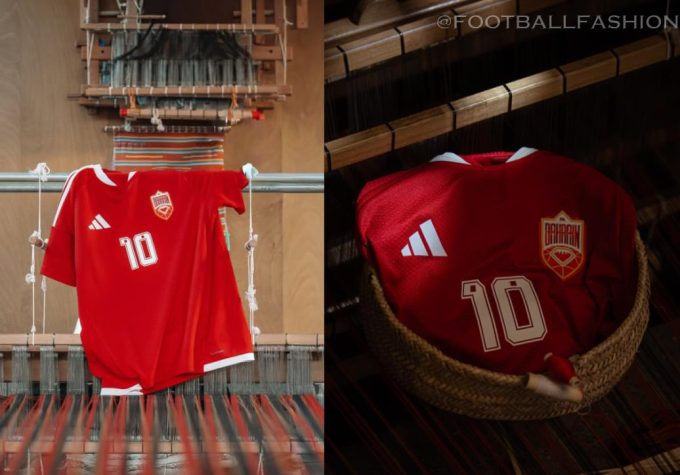
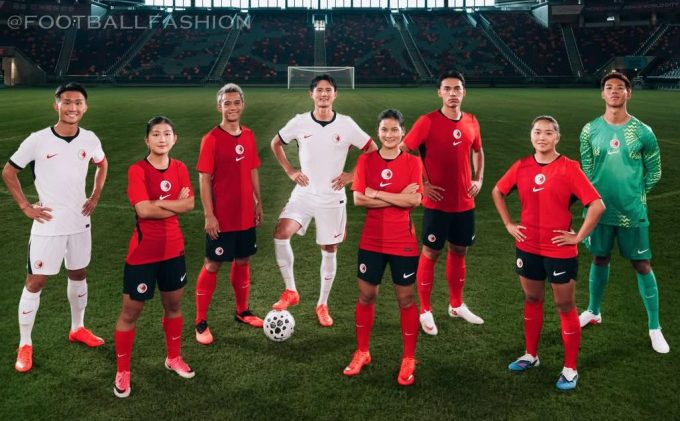
While attending a match remains the ultimate experience for many supporters, clubs now create live moments far beyond the stadium. Transfer deadline streams, player unveilings, kit launches, pre-season tours, fan Q&As, and behind-the-scenes broadcasts all turn ordinary club updates into events supporters can follow as they unfold.
This reflects a wider shift in digital entertainment. Audiences don’t just want finished content anymore; they want access to the live moment itself. The appeal comes from uncertainty, timing, and participation, like watching a shirt reveal countdown, reacting to a deadline-day signing, or following a livestream where the outcome hasn’t been packaged yet.
The expectation has come from other developing real-time formats, like esports broadcasts, creator livestreams, live casino games, and other moments where the experience depends on immediacy, interaction, and the sense that each moment is unfolding in real time. For football clubs, the lesson is clear: live content feels more valuable because fans aren’t just consuming an update. They’re sharing the moment as it happens.
Global audiences create new opportunities
The digital era has dramatically expanded football’s reach. Many clubs now have fan bases that stretch far beyond their local communities.
While local supporters remain critically important, international audiences represent a significant growth opportunity. This has influenced everything from sponsorship deals to content scheduling. Clubs increasingly create material tailored to global markets, recognising that supporters in different regions engage with football in different ways.
Pre-season tours have become major commercial events because they allow clubs to connect directly with overseas supporters. Merchandise launches, digital campaigns, and international partnerships all support broader brand-building efforts. The result is a football industry that increasingly resembles global entertainment brands rather than purely regional sporting institutions.
The rise of football lifestyle branding
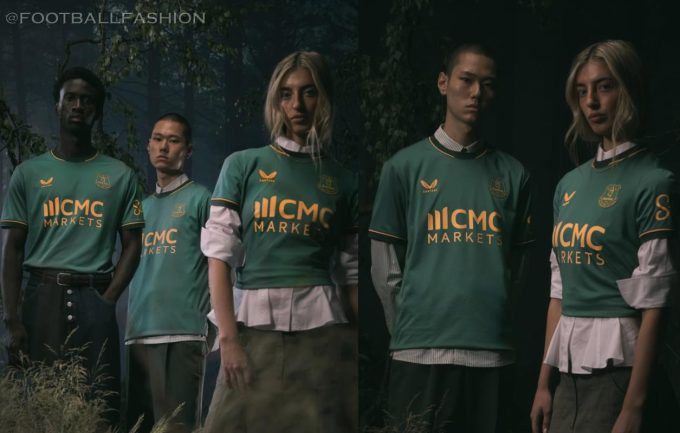
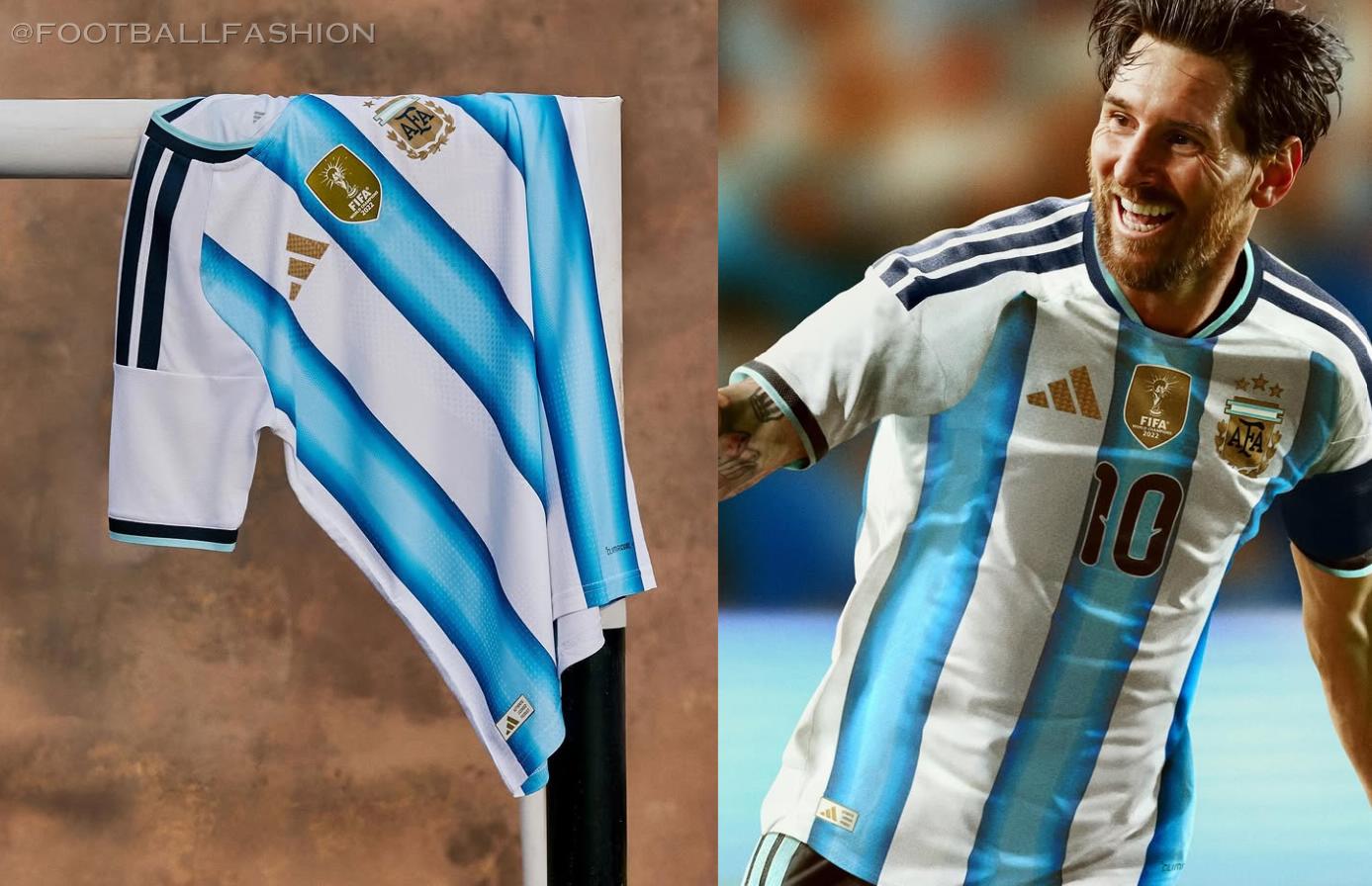
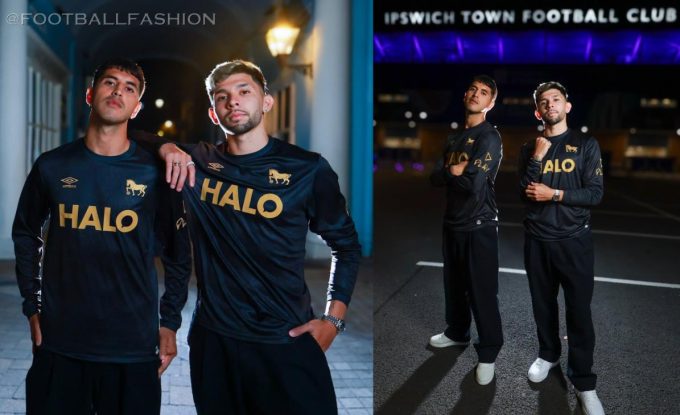
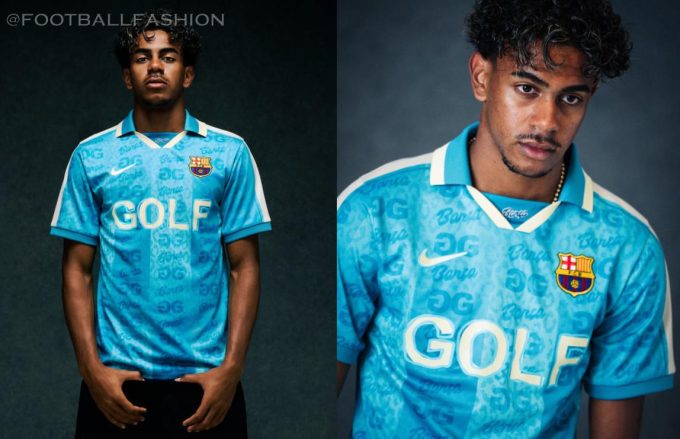
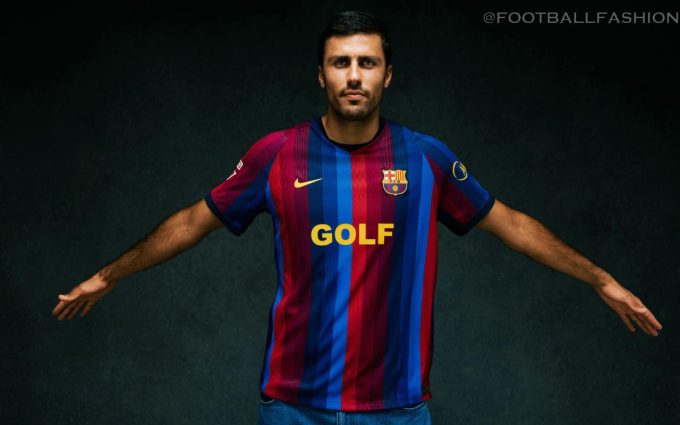
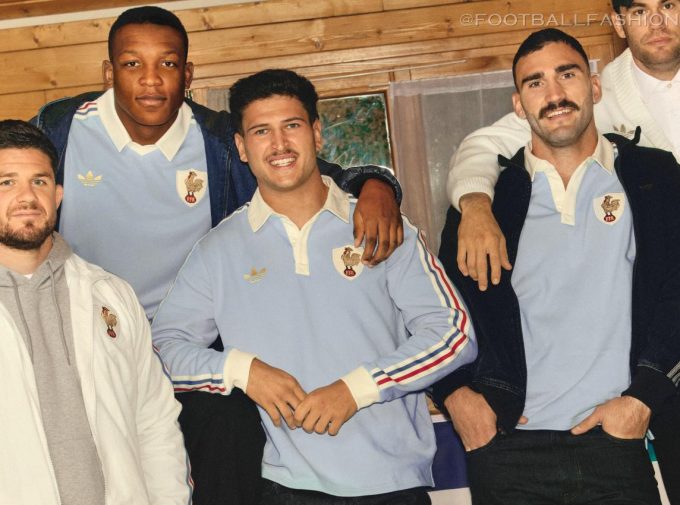
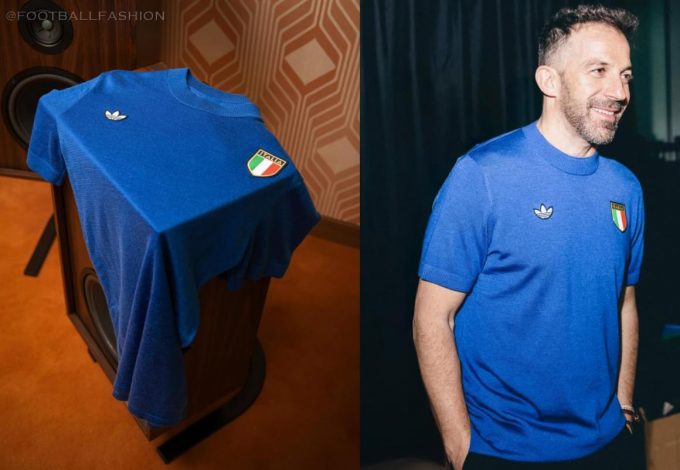
Another important development has been the growing overlap between football, fashion, and popular culture. Football shirts are no longer purchased exclusively by supporters attending matches; many have become fashion items worn by people who appreciate their design, cultural significance, or connection to a particular club.
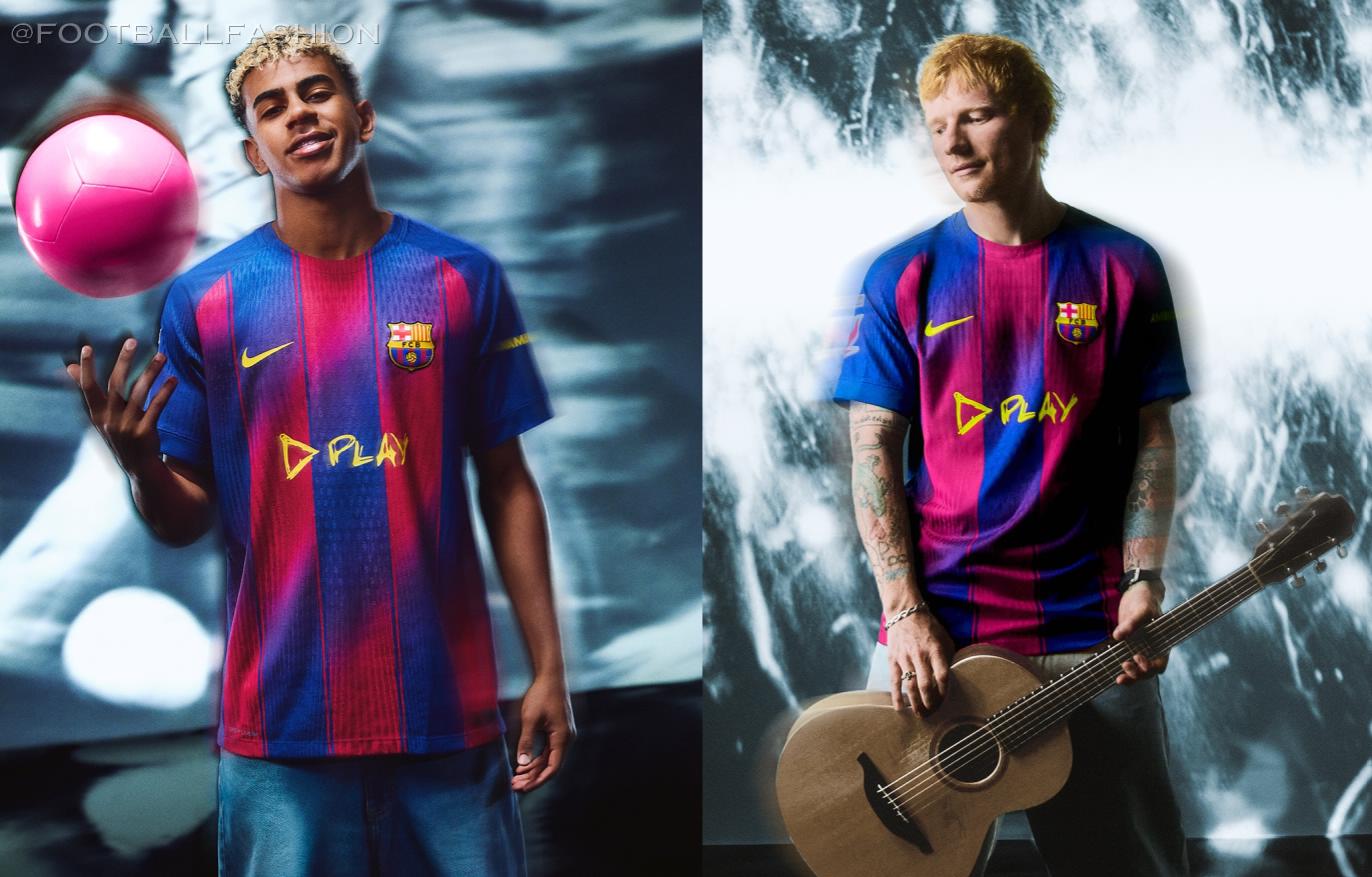
Collaborations between clubs and fashion brands have become increasingly common. Limited-edition collections, lifestyle apparel, and streetwear partnerships help clubs reach audiences that may not traditionally engage with football content.
This trend has been particularly visible among younger consumers, who often view football clubs as cultural brands rather than simply sports teams. As a result, clubs increasingly compete for attention alongside fashion labels, entertainment brands, and content creators.
Data helps clubs understand their audiences
The transformation into media brands has also been supported by technology and analytics. Clubs now collect valuable insights about how supporters interact with content, merchandise, and digital platforms. This information helps organisations understand what fans want and how they prefer to engage.
Analytics influence content strategy, sponsorship decisions, product development, and marketing campaigns. By understanding audience behaviour, clubs can create more personalised experiences that strengthen loyalty and improve engagement over time. The ability to measure and optimise fan interactions has become a significant advantage in the modern football industry.
The future of football extends beyond the pitch
Football will always be defined by competition, passion, and matchday drama. Those elements remain at the centre of the sport’s appeal. However, the modern football club has evolved into something much larger than a team that plays once or twice a week. It’s now a media company, a content creator, a global brand, and a year-round entertainment platform.
The clubs that thrive in the future are likely to be those that understand this broader role. Success will still depend on results, but it will also depend on storytelling, engagement, innovation, and the ability to build meaningful relationships with supporters around the world.
Football’s evolution from local sporting institution to global media brand is one of the most significant transformations in modern sport. As technology continues to change how audiences consume content, that evolution is unlikely to slow down anytime soon.