

A few days into the 2026 FIFA World Cup, and the familiar rhythm of the tournament already feels different. The expanded 48-team format, spread across North America, was meant to bring more games and more noise, and it has, but it’s also shifted something less obvious.

Something else has crept in too: uncertainty, in the way matches resist expectation and favorites suddenly look human. Early results rarely tell the whole story, but this opening stretch has done more than hint at change; it’s already exposing a clear and lasting shift.
A Bigger Tournament, But a Tighter Competition
The fear before kickoff was simple: more teams, less quality. That argument hasn’t aged well in these early matches of the tournament. The opening games have suggested something closer to the opposite, a field that feels deeper, not diluted.
Morocco’s 1–1 draw with Brazil felt measured, almost expected in its execution. South Korea’s 2–1 win over Czechia carried the same composure, while Cabo Verde’s 0–0 against Spain showed how effectively a team can reshape a match without chasing it.
Matches like these don’t happen by accident anymore. The physical gap has narrowed, and tactical ideas move faster across the game. Preparation looks sharper, more deliberate. There’s a quiet sense that the idea of an “easy game” at a World Cup is fading.
Early Statements From Contenders and Cracks in the Elite
Some teams have arrived fully formed. Others look like they’re still searching for the right version of themselves.
Teams That Look Tournament-Ready
Germany didn’t ease into the tournament; they kicked the door open. Seven goals in one match signals intent. Sweden followed with a performance just as assured, even if less explosive.
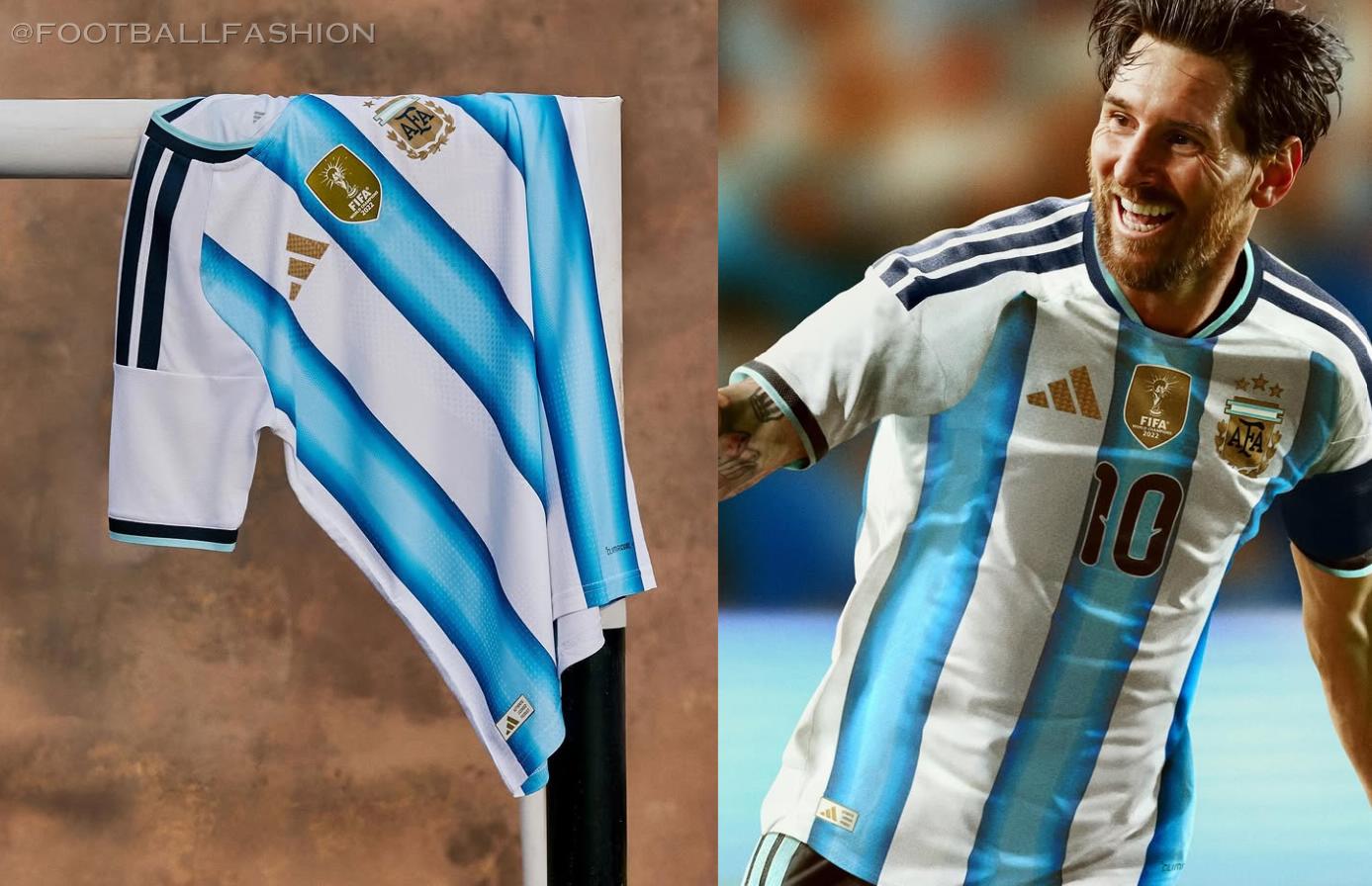
Argentina looked calm, almost methodical, with Messi’s hat-trick grabbing attention but the control behind it standing out more. France leaned on structure, pace, and moments of brilliance when needed. These teams aren’t finding rhythm, they already have it.
Heavyweights Showing Early Vulnerabilities
Brazil’s draw raised more questions, with a lack of creativity that still lingered. Spain saw plenty of the ball but did very little with it, while the Netherlands, open and expressive, still looked fragile at the back. None of it signals collapse, just that something isn’t quite aligned yet.
What These Results Actually Mean
Early matches tend to distort perception, sometimes more than we admit. A dominant win can inflate expectations quickly, while a draw invites immediate overreaction and second-guessing.
Even so, the mood has shifted. Conversations around contenders feel less fixed, with some revisiting pre-tournament projections and betting odds for the World Cup out of curiosity. Momentum still matters, but adaptability might matter more.
The Tactical Battle Defining the Tournament
If there’s a common thread across matches, it sits somewhere between control and resistance. Styles are colliding more directly than usual, with very little middle ground left to settle into.
Teams like Germany and the United States have leaned into intensity, pressing high, forcing mistakes, and turning defense into attack within seconds. It’s aggressive and physically demanding, but when it works, the game shifts quickly.
On the other end, several teams have leaned into patience, using deep lines and compact shapes. Cabo Verde’s performance against Spain was built on discipline, shaping the match rather than chasing it. These setups aim less to control play and more to disrupt rhythm.
Possession feels less decisive now. Matches often hinge on brief moments, a turnover, a run, a lapse. There’s a physical edge, with games stretching and spaces opening quickly. The slower buildup that once defined elite teams is harder to sustain.
The Unique Influence of Playing at Home
Home advantage in a World Cup is never subtle, but this year it feels more layered. Three host nations have created distinct experiences, each shaped by its own atmosphere and expectations across different cities and cultures.
The United States played with urgency that fed off the crowd, with sharper pressing and quicker transitions from the opening whistle throughout. Mexico carried a different energy, more composed and emotional, shaped by the weight of history at the Azteca.
Canada’s opening match told a quieter story, a hard-earned draw under pressure that lacked momentum but still showed resilience. Crowds don’t just create noise; they shape decisions, influence tempo, and shift confidence in ways that aren’t always obvious.
A Faster, More Demanding Tournament Format
The expanded format hasn’t just added teams, it has changed behavior. Group stages once offered breathing room, where two wins could secure progression. That margin has narrowed, with goal difference and third-place qualification now shaping outcomes.
There’s also a physical reality shaping everything. The path to the trophy now runs through as many as eight matches, leaving little margin for fatigue, and the tempo rarely drops. Squad depth now feels more like a necessity, with rotations needing to maintain performance.
For those tracking patterns across matches, resources like 2026 FIFA World Cup stats & analysis offer a clearer view of how teams are adjusting, where intensity dips, and how games begin to tilt late. No one is coasting through this version of the World Cup.
Culture, Identity, and the Visual Story of the Tournament
Not everything happening on the pitch is tactical. Some of it shows up in the details just outside the game itself, in the way the tournament is being seen and remembered. It’s often those quieter elements that linger longer than the matches themselves.
Kits, colors, and design have quietly returned, with a pull toward heritage, clean lines and retro references. Football has always carried identity through visuals, and this tournament leans into that history, seen in pieces like the Sweden 1994 retro jersey.
Across stadiums, the atmosphere reflects that same blend of old and new, shaped by different cities and cultures through distinct local identities. The settings may change, but the shared sense of occasion, and the way fans connect to it, still feels distinctly global.
A World Cup That Feels Different
There’s something slightly unsettled about this tournament so far. Not chaotic or disorganized, just less certain, with the gap between teams feeling narrower and tactical ideas more evenly spread. Even familiar matchups carry a slightly different tone this time around.
Matches carry a different kind of tension, one that doesn’t always resolve cleanly. That might be the real takeaway, not who’s winning, but how the game itself is shifting. The opening stage hasn’t answered many questions; it’s made them more interesting.
*Content reflects information available as of 2026/06/18; subject to change.